
Valle d'Itria Rental Market: Trulli, Masserie & Investment
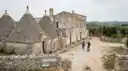
AI-generated cover image
The Valle d'Itria, with its iconic trulli and centuries-old masserie, has become one of Italy's most sought-after short-term rental destinations. But what does this mean for property owners? This guide breaks down the current market, realistic earnings, and investment outlook—so you can make informed decisions about your property.
At a Glance
- ✓ Valle d'Itria trulli and masserie command premium rates, with average daily rates (ADR) between €180–€300 for entire homes.
- ✓ Occupancy rates in peak season (June–September) reach 90–95%, while shoulder months offer 50–70%.
- ✓ Investment yields range from 5% to 8% gross, depending on property type and management efficiency.
- ✓ Compliance with CIN, SCIA, and tourist tax is mandatory; professional management ensures full compliance and optimization.
- ✓ The market is shifting towards experiential stays, making unique properties like trulli and masserie more valuable.
How much can you earn from a short-term rental in Valle d'Itria? (2026 outlook)
If you own a trullo, masseria, or even a modern apartment in the Valle d'Itria, your rental income depends on several factors: property type, size, location, seasonality, and management strategy. Based on data from Timeless Puglia, which manages over 200 properties and hosts 50,000+ guests annually, here are realistic figures:
- Trullo (2-4 guests): ADR €180–€250, occupancy 60–70% annually, gross revenue €30,000–€40,000.
- Masseria (4-8 guests): ADR €300–€500, occupancy 50–60% annually (90%+ in peak), gross revenue €50,000–€80,000.
- Modern apartment (2-4 guests) in Ostuni or Monopoli: ADR €120–€180, occupancy 70–80%, gross revenue €25,000–€35,000.
- Private room in a B&B: ADR €60–€100, occupancy 60–70%, gross revenue €15,000–€20,000.
These projections assume professional management, high-quality furnishings, and excellent guest reviews. DIY owners often see 20–30% lower revenue due to suboptimal pricing and lower occupancy.
What drives demand for trulli and masserie?
The Valle d'Itria is a UNESCO World Heritage site (Alberobello) and a magnet for travelers seeking authentic, Instagram-worthy stays. Trulli—conical-roofed stone huts—are unique to this region, offering a once-in-a-lifetime experience. Masserie—fortified farmhouses—provide space, privacy, and a connection to Puglia's agricultural heritage. This demand is not seasonal only: the region attracts visitors year-round for its mild climate, food festivals, and wellness retreats.
According to Timeless Puglia's booking data, 70% of guests come from international markets (USA, UK, Germany, France), with an average length of stay of 5–7 nights. They prioritize authenticity, amenities (pools, air conditioning, Wi-Fi), and proximity to attractions like Ostuni's white city, Polignano a Mare's cliffs, and Cisternino's historic center.
Short-term rental regulations in Puglia: what you must know
Italy's short-term rental market is regulated by a complex framework. As of 2026, the key requirements are:
- CIN (National Identification Code): Mandatory since 2024, displayed on all listings. Fines for missing CIN can reach €5,000.
- SCIA (Segnalazione Certificata di Inizio Attività): Required for properties used as vacation rentals, submitted to the local municipality.
- Tourist tax: Varies by municipality (e.g., Ostuni €1.50–€2.50 per night, Monopoli €1.00–€2.00, Alberobello €1.50). The host must collect and remit it.
- Cedolare secca: A flat 21% tax on rental income for individuals, optional but often advantageous.
- Safety and accessibility: Fire extinguishers, smoke detectors, and emergency exits are required; larger properties may need upgrades.
Professional property management in Puglia ensures all these obligations are met, protecting you from fines and legal issues.
How to choose the right property type for rental investment
Whether you're buying or converting an existing property, consider these factors:
- Trulli: High demand, but maintenance costs can be high (stone walls, cone roofs). Best for 2-4 guests, offering premium rates.
- Masserie: Larger investment, but can host groups, weddings, and events. Higher revenue potential, but require more maintenance and staffing.
- Apartments in towns: Lower price point, steady demand from couples and small families, easier to manage.
- Rooms/B&B: Ideal for owners who want to meet guests, but yield lower per-room revenue.
Location matters: properties in the 'white triangle' (Ostuni, Cisternino, Locorotondo) or near the coast (Monopoli, Polignano a Mare) command higher rates and occupancy.
Market trends and investment outlook for 2026
The short-term rental market in Puglia is maturing. While the initial boom is over, demand remains strong, and yields are stabilizing. Key trends:
- Rise of experiential travel: Guests seek unique stays with cooking classes, olive oil tastings, and guided tours. Trulli and masserie are particularly well-suited.
- Sustainability: Eco-certifications and energy-efficient upgrades are becoming differentiators.
- Technology: Smart locks, dynamic pricing, and channel managers are essential for maximizing revenue.
- Regulatory pressure: Cities like Florence are restricting short-term rentals, but Puglia remains welcoming. Monitor local rules.
Timeless Puglia's team, managing 200+ properties and hosting 50,000+ guests across Puglia, projects a 5–10% annual growth in ADR for the next two years, driven by high-end demand.
How to optimize your rental property for maximum occupancy
1. Invest in professional photography: Listings with high-quality photos get 40% more clicks.
2. Furnish to a high standard: Guests expect hotel-quality beds, linens, and amenities.
3. Implement dynamic pricing: Adjust rates based on demand, events, and seasonality.
4. Leverage multiple channels: List on Airbnb, Booking.com, and direct booking sites.
5. Provide exceptional guest experience: Prompt communication, clean property, and local tips lead to 5-star reviews.
Professional property management vs. self-management
Self-managing can save on fees but costs time and expertise. Professional property management in Puglia, like Timeless Puglia, offers:
- Dynamic pricing and channel management
- Guest communication and check-in/out
- Cleaning and maintenance coordination
- Compliance and tax reporting
- 24/7 guest support
Our hands-off management approach ensures zero stress for owners, with transparent reporting and a proven process that maximizes revenue by 20–30%.
Mistakes to Avoid
- ✗ Overpricing in low season without dynamic pricing leads to low occupancy and revenue loss.
- ✗ Ignoring CIN, SCIA, or tourist tax compliance can result in fines and listing removal.
- ✗ Poor guest communication (slow responses, lack of local tips) hurts reviews and ranking.
- ✗ Underestimating maintenance costs for trulli and masserie; neglect leads to bad reviews and lower rates.
Timeless Puglia's Tip
At Timeless Puglia, we specialize in vacation rental management across Puglia, including the Valle d'Itria. Our local team, based in Ostuni and Monopoli, understands the unique characteristics of trulli, masserie, and modern apartments. We offer hands-off end-to-end management: from dynamic pricing and multi-channel listing to 24/7 guest support and compliance handling. Our proven process has helped over 200 property owners increase their rental income by 20–30%. We provide transparent monthly reports and a dedicated manager for each property. Whether you own a single room or a luxury masseria, we tailor our services to maximize your revenue while minimizing your stress. Get a free property evaluation and see how we can transform your property into a top-performing rental.
Frequently Asked Questions
What is the average daily rate for a trullo in Valle d'Itria?
In 2025, trulli averaged €220 per night, with peak summer rates reaching €300+. Properties with pools or exceptional locations can command more.
Do I need a CIN code for my Airbnb in Puglia?
Yes, the CIN (National Identification Code) is mandatory since 2024. You must display it in all listings and communications. Fines for non-compliance can reach €5,000.
What is the tourist tax in Ostuni?
Ostuni charges between €1.50 and €2.50 per person per night, depending on season and property type. It must be collected from guests and remitted to the municipality.
How much can I earn from a masseria rental?
A well-managed masseria can generate €50,000–€80,000 gross annually, depending on size and occupancy. Peak season rates can reach €500 per night.
What is the cedolare secca rate for short-term rentals?
Cedolare secca is a flat 21% tax on rental income for individuals. It's optional but often more favorable than progressive income tax.
How can professional property management increase my rental income?
Professional management in Puglia can increase revenue by 20–30% through dynamic pricing, multi-channel listing, and enhanced guest experience, leading to higher occupancy and rates.
Management by City
Ready to Maximize Your Revenue?
Get a free property evaluation. Revenue estimate and a fully managed plan proposal, no obligation.
Get a Free Property EvaluationNote: Information in this article is general in nature. Regulations and requirements may vary. For advice specific to your situation, request a consultation.
Looking for a holiday in Puglia?
Explore our properties →