
Hidden Gems of Puglia: Towns Tourists Haven't Discovered
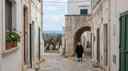
AI-generated cover image
Beyond the crowded beaches of Gallipoli and the trulli of Alberobello lies another Puglia — one of silent whitewashed lanes, Byzantine crypts, and olive groves older than the Roman Empire. This guide reveals the towns and villages that mass tourism has overlooked, with practical details on where to stay, what to eat, and how to get there. Whether you're planning a Puglia itinerary focused on hidden gems or simply want to escape the crowds, these are the places our on-the-ground team returns to again and again.
At a Glance
- ✓ Puglia has 258 comuni, but 80% of tourists concentrate in just 10 coastal towns — leaving dozens of inland villages blissfully empty.
- ✓ Towns like Cisternino, Locorotondo, and Martina Franca offer the Valle d'Itria charm without Alberobello's crowds — and trulli stays from €80/night.
- ✓ The Salento's Ionian coast hides gems like Gallipoli's sister town, Santa Maria al Bagno, and the Maldives of Salento at Punta Prosciutto.
- ✓ Northern Puglia's Gargano promontory and the Tremiti Islands are overlooked by international visitors, yet offer Caribbean-blue water and 12th-century abbeys.
- ✓ Renting a car is essential for exploring hidden Puglia — many villages have limited bus service, especially on Sundays.
Why should you explore off-the-beaten-path Puglia?
Puglia — the heel of Italy's boot — welcomed over 5 million tourists in 2024, according to data from the regional tourism board (Pugliapromozione). But that number is deceptive. The vast majority of visitors cluster along a narrow coastal strip: the trulli of Alberobello (2.5 million visitors/year), the cliffs of Polignano a Mare, the beaches of Gallipoli, and the baroque streets of Lecce. Venture just 20 km inland, and you'll find yourself in a different world — one of silent olive groves, medieval hill towns, and trattorie where the owner still makes orecchiette by hand every morning.
Timeless Puglia's on-the-ground team managing 200+ properties across Puglia has witnessed this firsthand. Our guests who book a trullo in Cisternino or a masseria near Ostuni consistently tell us the same thing: the highlight of their holiday in Puglia wasn't the famous sights — it was the afternoon they stumbled upon a village festival in Locorotondo or a hidden cove near Vieste.
This guide is your key to that Puglia. We'll cover 10 towns and areas that mass tourism has overlooked, with practical details on distances, prices, and where to stay. Whether you're building a Puglia itinerary focused on hidden gems or simply want to escape the crowds for a day, these are the places our team returns to again and again.
---
What are the best hidden gem towns in Puglia?
1. Cisternino: The Valle d'Itria's Unsung Star
Where: 15 km northwest of Ostuni, 10 km from Martina Franca (15-minute drive).
Why go: Cisternino is what Alberobello would be if it hadn't been discovered by tour buses. This whitewashed hill town has the same labyrinth of alleys, the same trulli-dotted countryside, and the same Valle d'Itria charm — but with a fraction of the visitors. The town's main square, Piazza Vittorio Emanuele, is lined with cafés where locals sip espresso and argue about football. Don't miss the Chiesa di San Nicola, a 12th-century Romanesque church with a beautifully restored crypt.
What to do:
- Wander the Centro Storico: The old town is a maze of whitewashed houses, many with external staircases and flower-filled balconies. It's small enough to explore in an hour, but you'll want to linger.
- Eat at a fornello: Cisternino is famous for its *fornelli* — butcher shops where you pick your meat (bombette, sausage, lamb) and they grill it for you on the spot. Fornello da Giangi (Via San Quirico, 7) is a local favorite; expect to pay €15–20 per person including wine.
- Visit the trulli countryside: The surrounding countryside is dotted with trulli, many of which are now holiday rentals. Timeless Puglia offers several restored trulli in the Cisternino area from €100/night.
Where to stay: For a boutique apartment in the centro storico, expect €80–120/night. A trullo with a private pool in the countryside starts at €150/night in high season.
How to get there: Cisternino is a 15-minute drive from Ostuni and a 20-minute drive from Alberobello. There is a regional train station (Cisternino) on the Bari–Lecce line, but it's 5 km from town — you'll need a taxi or a pre-arranged transfer.
Insider tip: Visit on a weekday morning to see the town at its most authentic. On summer evenings, the passeggiata fills the streets with families, but it's still nothing like Alberobello's crowds.
---
2. Locorotondo: The Circular White Town
Where: 10 km from Cisternino, 15 km from Alberobello (20-minute drive).
Why go: Locorotondo's name means "round place," and its centro storico is indeed a perfect circle of whitewashed houses perched on a hill. It's one of the most beautiful towns in Puglia — and yet it receives only a fraction of Alberobello's visitors. The town is famous for its white wine, Locorotondo DOC, a crisp, dry white made from Verdeca and Bianco d'Alessano grapes. The local wine cooperative, Cantina Sociale Locorotondo, offers tastings and tours (€10–15 per person).
What to do:
- Walk the circular old town: The perimeter is about 1 km, and every corner offers a postcard view over the Itria Valley.
- Taste the wine: The Cantina Sociale is the best place to try Locorotondo DOC, plus other local varieties like Primitivo and Negroamaro.
- Visit the Church of San Giorgio: This 18th-century church has a stunning baroque facade and a bell tower with panoramic views.
- Shop for local crafts: The town is known for its hand-woven baskets and ceramics; look for workshops along Via Vittorio Emanuele.
Where to stay: Locorotondo has several charming B&Bs in the old town (€70–100/night) and masserie in the surrounding countryside (€150–250/night). For a truly unique stay, consider a trullo just outside town — Timeless Puglia has several options.
How to get there: Locorotondo is on the Bari–Lecce railway line, with a station about 1 km from the centro storico. Trains from Bari take about 1 hour (€5).
Insider tip: Visit during the Festa di San Rocco (mid-August) for a local festival with food stalls and live music — far less touristy than similar events in bigger towns.
---
3. Martina Franca: Baroque Elegance Without the Crowds
Where: 10 km from Locorotondo, 30 km from Taranto (30-minute drive).
Why go: Martina Franca is the largest town in the Valle d'Itria, and its baroque old town is a stunner. Think Lecce's baroque, but without the tour groups. The town is also famous for its capocollo di Martina Franca, a PDO-cured pork neck that's been produced here for centuries. The annual Festival della Valle d'Itria (July–August) brings world-class opera and jazz to the town's piazzas — a cultural highlight that remains under the radar for most international tourists.
What to do:
- Admire the Basilica di San Martino: This 18th-century baroque church has an ornate facade and a richly decorated interior.
- Explore Palazzo Ducale: The former residence of the Caracciolo family now houses the town hall and hosts temporary exhibitions.
- Sample capocollo: Head to Salumeria da Carlo (Via Cavour, 42) for a tasting of the local PDO capocollo, paired with a glass of Locorotondo wine.
- Attend a festival event: Check the Festival della Valle d'Itria program — tickets for many events are under €20.
Where to stay: Martina Franca has a good range of B&Bs and boutique apartments in the old town (€70–110/night). For a countryside escape, look for a masseria in the surrounding olive groves.
How to get there: Martina Franca is on the Bari–Taranto railway line, with trains from Bari taking about 1 hour 15 minutes (€6).
Insider tip: The town's weekly market (Wednesday morning) is a great place to stock up on local produce, cheese, and cured meats.
---
4. Santa Maria al Bagno: Gallipoli's Quieter Sister
Where: 8 km north of Gallipoli (15-minute drive), on the Ionian coast.
Why go: Gallipoli is beautiful but crowded. Santa Maria al Bagno, a small fishing village just up the coast, offers the same crystal-clear Ionian water and a lovely beach — but with far fewer people. The village has a handful of excellent seafood restaurants and a relaxed vibe that's perfect for a lazy summer day. It's also home to the Museo della Memoria e dell'Accoglienza, a moving museum documenting the Jewish refugees who were housed here after World War II.
What to do:
- Swim at Spiaggia di Santa Maria al Bagno: The beach is sandy with shallow water, ideal for families. Beach clubs charge €20–25 for an umbrella and two loungers (vs. €40+ in Gallipoli).
- Eat fresh seafood: Ristorante La Conchiglia (Via Lungomare, 1) serves excellent crudo and pasta with sea urchins.
- Visit the museum: The Museo della Memoria is small but powerful; entry is free (donations welcome).
Where to stay: There are a few small B&Bs and holiday apartments in the village (€60–90/night). For more options, stay in Gallipoli and drive up for the day.
How to get there: Santa Maria al Bagno is a 15-minute drive from Gallipoli. There are also local buses from Gallipoli (about 30 minutes, €1.50).
Insider tip: Go on a weekday in June or September to have the beach almost to yourself.
---
5. Punta Prosciutto: The Maldives of Salento
Where: 20 km south of Porto Cesareo, on the Ionian coast (40-minute drive from Lecce).
Why go: Punta Prosciutto is a stretch of white sand and turquoise water that looks more like the Caribbean than Italy. It's one of the most beautiful beaches in Puglia — and yet it remains relatively unknown compared to the beaches of Gallipoli or Otranto. The beach is backed by sand dunes and Mediterranean scrub, and the water is shallow and warm. There are a few beach clubs (€25–30 for an umbrella set), but much of the beach is free.
What to do:
- Swim and sunbathe: The beach is long enough that you can always find a quiet spot, even in August.
- Explore the dunes: The area is a protected nature reserve (Riserva Naturale Regionale Palude del Conte e Duna Costiera).
- Eat at a beach shack: Lido La Torre (Via Punta Prosciutto) serves simple seafood and cold beer.
Where to stay: There are a few agriturismi and holiday rentals in the area (€80–120/night). Alternatively, stay in Porto Cesareo (10 km north) or Lecce (40 km).
How to get there: Punta Prosciutto is a 40-minute drive from Lecce. There is no train station; you'll need a car.
Insider tip: The beach is best in the morning before the wind picks up. Bring an umbrella and water — facilities are limited.
---
6. Vieste and the Gargano Promontory: Puglia's Wild North
Where: Vieste is on the eastern tip of the Gargano promontory, about 100 km north of Bari (1.5-hour drive).
Why go: The Gargano is often called the "spur" of Italy's boot, and it's a world apart from the rest of Puglia. This mountainous peninsula is covered in ancient beech forests (the Foresta Umbra), dramatic sea cliffs, and hidden coves. Vieste itself is a charming town with a medieval center and a long sandy beach. The Tremiti Islands, a small archipelago 22 km off the coast, are accessible by ferry from Vieste (€25 return, 1 hour).
What to do:
- Explore the Foresta Umbra: This UNESCO-listed ancient forest has hiking trails and picnic areas; it's a cool escape on hot summer days.
- Take a boat trip to the Tremiti Islands: The islands have crystal-clear water, a 13th-century abbey (Abbazia di Santa Maria a Mare), and excellent snorkeling.
- Visit the Sanctuary of Monte Sant'Angelo: This UNESCO-listed pilgrimage site (50 km from Vieste) is one of the oldest Christian sanctuaries in Europe.
- Eat seafood in Vieste's harbor: Ristorante Al Dragone (Via Ripe, 10) is a local favorite for fresh fish and seafood.
Where to stay: Vieste has a range of hotels and B&Bs (€70–150/night). For a more secluded stay, look for agriturismi in the Gargano hills.
How to get there: Vieste is a 1.5-hour drive from Bari. There are also buses from Bari (about 2.5 hours, €15).
Insider tip: The Gargano is best in late spring (May–June) when the wildflowers are blooming and the crowds haven't arrived.
---
7. Gallipoli's Old Town — Beyond the Beach
Where: Gallipoli is on the Ionian coast, 40 km southwest of Lecce (40-minute drive).
Why go: Gallipoli is not exactly undiscovered, but most visitors never make it past the beaches of Baia Verde. The town's old town, built on an island connected to the mainland by a 17th-century bridge, is a maze of narrow streets, baroque churches, and seafood restaurants. It's atmospheric and authentic, especially in the evening when the day-trippers have left.
What to do:
- Wander the old town: Don't miss the Cattedrale di Sant'Agata and the Church of Santa Maria della Purità.
- Eat fresh fish: Ristorante Marechiaro (Riviera Nazario Sauro, 20) serves excellent crudo and pasta with clams.
- Watch the sunset from the Riviera: The western side of the island has stunning views over the Ionian Sea.
Where to stay: The old town has several boutique hotels and B&Bs (€90–150/night). For a beach-focused stay, look at Baia Verde (€70–120/night).
How to get there: Gallipoli is a 40-minute drive from Lecce. Trains from Lecce take about 50 minutes (€3).
Insider tip: Visit in September when the summer crowds have thinned but the sea is still warm.
---
8. Otranto: History and Sea
Where: Otranto is on the Adriatic coast, 45 km southeast of Lecce (40-minute drive).
Why go: Otranto is one of Puglia's most historically significant towns — it was the site of a famous battle against the Ottomans in 1480, and its cathedral houses the relics of 800 martyrs. The town also has a beautiful beach and a lively old town. It's popular with Italians, but still relatively unknown to international tourists.
What to do:
- Visit the Cathedral: The 11th-century cathedral has a stunning mosaic floor and the relics of the Martyrs of Otranto.
- Explore the Castello Aragonese: The castle offers panoramic views and hosts cultural events.
- Swim at Baia dei Turchi: This beach (8 km north of Otranto) is one of the most beautiful in Puglia, accessible via a short walk through a pine forest.
Where to stay: Otranto has a good range of hotels and B&Bs (€70–130/night).
How to get there: Otranto is a 40-minute drive from Lecce. Trains from Lecce take about 1 hour (€4).
Insider tip: The beach at Baia dei Turchi is most crowded in August; go early in the morning or after 4 pm.
---
9. Trani: The Pearl of the Adriatic
Where: Trani is on the Adriatic coast, 40 km north of Bari (40-minute drive).
Why go: Trani is a handsome port town with a stunning Romanesque cathedral right on the waterfront. It's a favorite with Italians but sees few international visitors. The town is also known for its Moscato di Trani, a sweet dessert wine.
What to do:
- Visit the Cathedral: The Cattedrale di San Nicola Pellegrino is one of the finest Romanesque churches in Puglia.
- Stroll the harbor: The port is lined with seafood restaurants and cafés.
- Taste Moscato: Cantina della Murgia (Via Ognissanti, 15) offers tastings.
Where to stay: Trani has several boutique hotels and B&Bs (€80–120/night).
How to get there: Trani is on the Bari–Barletta railway line, with trains from Bari taking about 30 minutes (€3).
Insider tip: Visit in the late afternoon when the sun lights up the cathedral facade.
---
10. Monopoli and Polignano a Mare's Quieter Neighbors
Where: Monopoli is 15 km south of Polignano a Mare (20-minute drive).
Why go: Monopoli is a lively port town with a beautiful old town and a long sandy beach. It's popular with Italians but sees fewer international tourists than Polignano. The town also has a fantastic seafood scene and a picturesque harbor.
What to do:
- Explore the old town: The centro storico is a maze of whitewashed streets and squares.
- Swim at Cala Porta Vecchia: This small beach is right in the town center.
- Eat at a seafood restaurant: Ristorante Vecchia Monopoli (Via Argento, 5) serves excellent crudo and pasta.
Where to stay: Monopoli has a range of B&Bs and apartments (€70–120/night).
How to get there: Monopoli is on the Bari–Lecce railway line, with trains from Bari taking about 40 minutes (€4).
Insider tip: Monopoli's weekly market (Wednesday morning) is a great place to stock up on local produce.
---
How to get around off-the-beaten-path Puglia?
By car: This is the best way to explore hidden Puglia. Roads are generally good, but some rural roads are narrow and winding. Rent a car from Bari or Brindisi airports (from €30/day in low season, €60/day in August). Timeless Puglia can help arrange car rental with a trusted local partner.
By train: Puglia has a decent railway network, but many smaller towns are not served. The main lines run along the coast, with inland connections to Locorotondo, Martina Franca, and Cisternino. Trains are cheap (€3–10 for most journeys) but infrequent, especially on Sundays.
By bus: Regional buses connect major towns, but service to smaller villages is limited. The Ferrovie del Sud Est (FSE) operates buses in the Salento, and STP operates in the Bari area.
By bike: Puglia is increasingly popular for cycling, with quiet country roads and gentle terrain. Several companies offer bike rentals and guided tours.
---
When is the best time to visit Puglia's hidden gems?
May–June: Ideal weather (22–28°C), wildflowers, and fewer crowds. The sea is warm enough for swimming by late May.
September–October: Warm sea, harvest season (olive oil, wine), and a relaxed atmosphere. This is our favorite time to explore.
July–August: Hot (30–35°C) and crowded on the coast, but inland towns remain relatively quiet. Expect higher prices and busy beaches.
April and November: Cooler and quieter, but many coastal businesses close. Good for hiking and cultural tourism.
---
Mistakes to Avoid
- ✗ Only visiting coastal towns — inland villages like Cisternino and Locorotondo offer the most authentic Puglia experience.
- ✗ Relying on public transport — many hidden gems have limited bus/train service, especially on Sundays.
- ✗ Visiting in August without booking ahead — even lesser-known towns can fill up, and prices peak.
- ✗ Skipping the Gargano — northern Puglia's wild landscapes and Tremiti Islands are worth the drive.
Timeless Puglia's Tip
At Timeless Puglia, we've been welcoming guests to Puglia since 2010, and we've seen firsthand how the most memorable holidays happen off the beaten path. Our on-the-ground team managing 200+ properties across Puglia knows every hidden alley, family-run trattoria, and secret beach — and we love sharing them with our guests. When you book directly with us, you get more than a place to stay. You get a free personal concierge service that can arrange car rentals, book restaurant tables, and suggest itineraries tailored to your interests. Want to spend a day exploring the trulli of Cisternino followed by a wine tasting at a small family vineyard? We'll make it happen. Booking directly on timelesspuglia.com also means the best available rates and flexible cancellation policies. We're not a booking platform — we're a local team that cares about your experience. Whether you're looking for a trullo in Locorotondo or a masseria near Ostuni, we'll help you find the perfect base for your Puglia adventure.
Frequently Asked Questions
What are the best hidden gem towns in Puglia?
Cisternino, Locorotondo, and Martina Franca in the Valle d'Itria offer the same charm as Alberobello without the crowds. In the south, Santa Maria al Bagno and Punta Prosciutto are quieter alternatives to Gallipoli. In the north, Vieste and the Gargano are overlooked by international tourists.
Do I need a car to explore off-the-beaten-path Puglia?
Yes, a car is highly recommended. Many hidden gems have limited public transport, especially on Sundays. Rental cars start at €30/day in low season. Timeless Puglia can help arrange car rental with a trusted local partner.
When is the best time to visit Puglia's hidden towns?
May–June and September–October offer ideal weather (22–28°C) and fewer crowds. August is hot and crowded on the coast, but inland towns remain relatively quiet.
Where can I stay in a trullo without crowds?
Timeless Puglia offers trulli in Cisternino, Locorotondo, and Martina Franca from €100/night. These are authentic trulli in quiet countryside settings, perfect for a peaceful holiday in Puglia.
What local food should I try in hidden Puglia?
Don't miss capocollo di Martina Franca (PDO), Locorotondo DOC white wine, and fresh seafood in Santa Maria al Bagno. Also try the bombette at a fornello in Cisternino.
Ready to Experience Puglia?
Book directly for the best rate and your personal concierge included.
Book NowOwn a property in Puglia?
Discover our management service →