
Alberobello Trulli Guide: History, Tips & Photo Spots
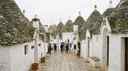
AI-generated cover image
Alberobello is the only town in the world where an entire historic quarter is made of trulli — whitewashed dry-stone huts with conical roofs. This guide covers the history, the best photo spots, practical visiting tips, and where to stay, so you can experience the magic beyond the day-trippers.
At a Glance
- ✓ Alberobello's trulli are a UNESCO World Heritage Site, built using prehistoric dry-stone techniques without mortar.
- ✓ The best time to visit is early morning (before 9 AM) or late afternoon (after 5 PM) to avoid crowds and get soft light for photos.
- ✓ Don't miss the trullo sovrano (the only two-story trullo) and the Belvedere Santa Lucia for panoramic views.
- ✓ Staying overnight in a trullo allows you to experience the town after day-trippers leave and enjoy quiet evenings.
What are trulli and why are they unique?
Trulli (singular: trullo) are traditional Apulian dry-stone huts with a conical roof, built directly on bedrock without mortar. The walls are made of rough limestone blocks, and the roof is composed of concentric layers of stone slabs (chiancarelle). The interior is often a single room with a fireplace and alcoves. Alberobello has the highest concentration: over 1,500 trulli in two districts, Rione Monti and Aia Piccola. This unique architecture earned UNESCO World Heritage status in 1996.
What is the history of Alberobello's trulli?
The origins of trulli date back to prehistoric times, but Alberobello's development began in the 14th century when the Acquaviva family, Counts of Conversano, encouraged peasants to settle the area. To avoid taxes on permanent settlements, they required houses to be built without mortar so they could be easily dismantled. In 1797, King Ferdinand IV of Bourbon granted Alberobello the status of a royal town, ending the feudal era. The trulli then became permanent homes, and many are still inhabited today.
Why were trulli built without mortar?
The dry-stone construction allowed quick dismantling if the tax collector approached. If the house could be taken apart, it wasn't considered a permanent dwelling, thus avoiding property taxes. This ingenious tax evasion strategy is a key part of local lore.
When is the best time to visit Alberobello?
The best time to visit is during the shoulder seasons (April-May, September-October) when the weather is mild and crowds are thinner. Summer (June-August) is hot and crowded, especially midday. Winter (November-February) is quiet, but some restaurants and shops close. For photography, the golden hours are early morning (6-8 AM) and late afternoon (5-7 PM).
What is the weather like in Alberobello?
Alberobello has a Mediterranean climate with hot, dry summers (average high 30°C/86°F in July) and mild, wet winters (average high 12°C/54°F in January). Spring and autumn are pleasant, with temperatures around 20°C (68°F).
How do I get to Alberobello?
Alberobello is in the Valle d'Itria, about 50 km (31 miles) from Bari and 70 km (43 miles) from Brindisi. By car: take the A14 motorway, exit at Gioia del Colle, then follow SS172. By train: Ferrovie del Sud Est runs from Bari Centrale to Alberobello (about 1.5 hours). By bus: FlixBus and local companies connect from major cities. Parking is available at Largo Martellotta and Via Indipendenza (€1-2/hour).
What are the must-see attractions in Alberobello?
1. Rione Monti: The largest trulli district with over 1,000 trulli, now mostly shops, restaurants, and B&Bs.
2. Aia Piccola: A quieter residential area with about 400 trulli, still inhabited by locals.
3. Trullo Sovrano: The only two-story trullo, built in the 18th century, now a museum (€3 entry).
4. Belvedere Santa Lucia: A panoramic viewpoint offering postcard views of the trulli roofs.
5. Chiesa di Sant'Antonio: A trullo-shaped church from the 20th century.
6. Museo del Territorio: Housed in a trullo, it explains local history and culture.
What are the best photo spots in Alberobello?
- Belvedere Santa Lucia: Capture the sea of conical roofs at sunset.
- Via Monte San Michele: A picturesque street lined with trulli, ideal for leading lines.
- Trullo Sovrano: Frame the two-story trullo with its pinnacle.
- Aia Piccola: Quiet alleys with authentic trulli and fewer tourists.
- Rooftop terraces: Many B&Bs offer rooftop access for aerial shots.
What are the trulli pinnacles?
The conical roofs are topped with decorative pinnacles (pinnacoli) in various shapes — spheres, crosses, cones, and even human figures. These were originally symbols of the builder or family, and today they add unique character to each trullo.
What practical tips should I know before visiting?
- Wear comfortable shoes: the streets are uneven and steep.
- Bring water, especially in summer.
- Respect residents: many trulli are private homes.
- Book restaurants in advance for dinner.
- Learn a few Italian phrases: "Buongiorno" (good morning), "Grazie" (thank you).
- Avoid the midday heat in July-August.
- Check opening hours: many shops close from 1-4 PM.
Where to eat and drink in Alberobello?
Try local specialties: orecchiette with cime di rapa, burrata, and Primitivo wine. Recommended restaurants: Il Poeta Contadino (Michelin-starred), Trullo d'Oro, and L'Aratro. For a quick snack, grab a panzerotto or focaccia barese. Gelato at Cremeria History is a must.
Where to stay in Alberobello?
Options range from trulli B&Bs to luxury masserie. Timeless Puglia offers over 200 properties in Puglia, including trulli, masserie, and villas in Alberobello and the Valle d'Itria. Booking directly on timelesspuglia.com includes a free personal concierge service to help plan your itinerary, book restaurants, and arrange tours.
What are the best day trips from Alberobello?
- Locorotondo (10 km): A circular whitewashed town with panoramic views.
- Martina Franca (15 km): Baroque architecture and home of capocollo di Martina Franca.
- Cisternino (20 km): A hilltop town with excellent butcher shops (fornelli).
- Ostuni (30 km): The "White City" with stunning beaches nearby.
- Polignano a Mare (40 km): Cliffside town with breathtaking sea views.
Mistakes to Avoid
- ✗ Visiting only during midday when crowds are heaviest and light is harsh.
- ✗ Not staying overnight, missing the magical evening atmosphere.
- ✗ Wearing flip-flops on uneven cobblestone streets.
- ✗ Assuming all trulli are open to the public; many are private homes.
Timeless Puglia's Tip
Timeless Puglia's insider tip: book a trullo stay through our platform to enjoy the town after day-trippers leave. Our concierge can arrange private tours, cooking classes, and restaurant reservations. Booking direct on timelesspuglia.com gives you access to exclusive perks and local support. We've helped over 50,000 guests experience Puglia authentically. Our team knows the best trulli with rooftop terraces for photos and the quietest alleys in Aia Piccola. Let us tailor your visit. Skip the generic hotel experience. Stay in a restored trullo with modern comforts, and let our concierge handle the details — from airport transfers to wine tastings in the Valle d'Itria.
Frequently Asked Questions
Ready to Experience Puglia?
Book directly for the best rate and your personal concierge included.
Book NowOwn a property in Puglia?
Discover our management service →